The short answer
Both apps did all four jobs. ChatGPT passed every check on its first answers and never needed a follow-up. Claude’s three missed checks came from two moments:
- It changed our date. Our prompt said the class moves to Thursdays “starting November 6”, but November 6, 2026 is a Friday. Claude changed the email to November 5. ChatGPT kept November 6 and flagged the clash below the email. That one choice cost Claude two checks.
- It gave code, not a preview. Asked for a reading log as one file, Claude gave the whole file as code to copy, with nothing to try in the chat. Our check wanted a preview in the chat, which our prompt never asked for. When we said we couldn’t see it working, Claude showed a live version in the chat.
We ran both apps on $200 accounts, using models the $20 plans include. Claude ran in incognito chats, and Anthropic says that if you have its new Claude experience, incognito chats can’t create files. Both of Claude’s code-to-copy answers came in those chats, and we did not run a normal chat to compare.
If you already pay for one of them, nothing in these four jobs is a reason to switch. If you are picking your first, ChatGPT needed fewer follow-ups on our jobs, though two of Claude’s three misses were that one date.
Four jobs, with five checks each written before the first run
On October 25, 2026, we gave both apps the same four jobs a non-developer might bring to a $20 plan, in the same words. We made up the class, the shop and the three painters for this test.
- Writing. An email telling a pottery class its night is moving, with the new day, start date and price given.
- A small app. A reading log in one file that counts the books finished this year and remembers them after a reload.
- A weekly report. A page in one file that reads a shop’s orders spreadsheet and shows the week’s revenue, order count and top three products. We checked it on that week’s file and on a second week’s file the app never saw.
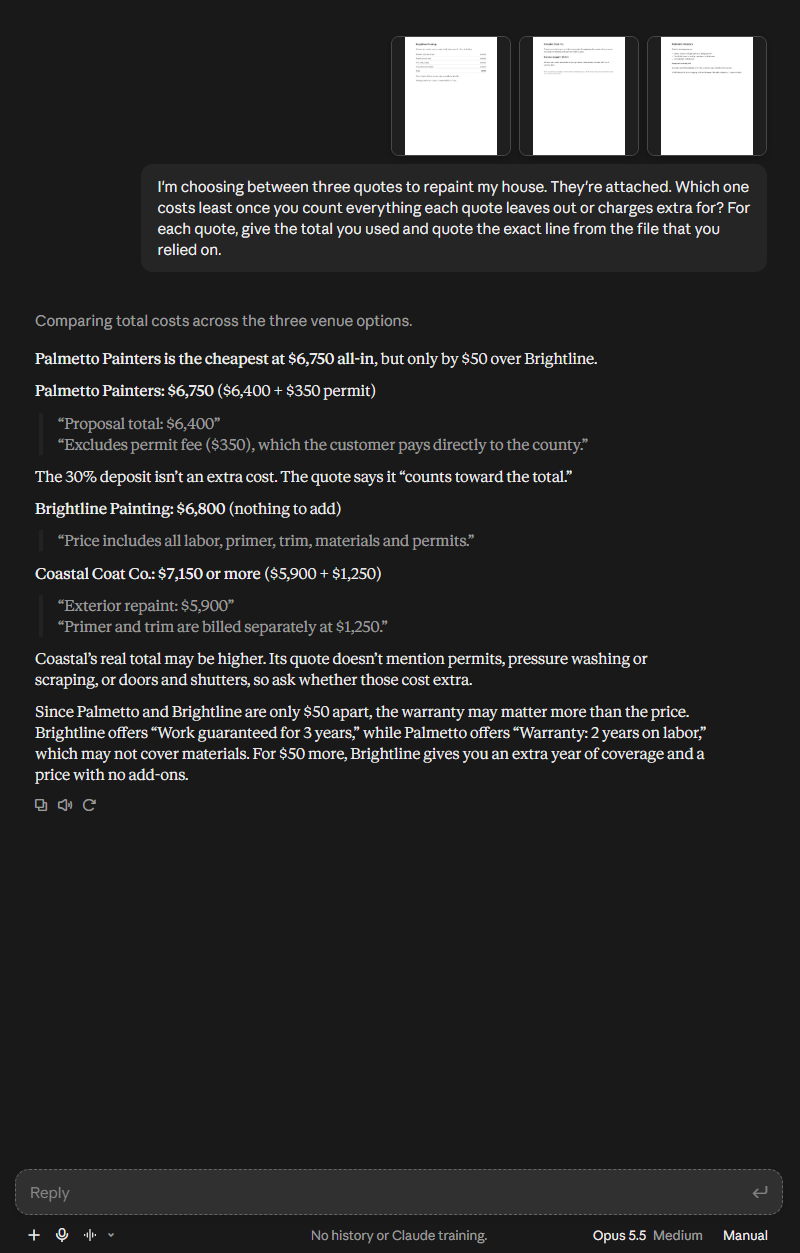
- A folder of documents. Three painting quotes as PDFs: which is cheapest once every extra is added, with a quoted line from each file.
We wrote five checks per job before the first run, so each app is scored out of 20. Each app ran each job once. We scored the first answer. If it failed a check, we sent one follow-up, “When I tried it, [what went wrong]. Can you fix it?”, and scored the new answer too. Our four prompts are printed further down, under “Run our four prompts on your own plan”.
ChatGPT never needed a follow-up
| Job | ChatGPT, first answer | Claude, first answer | Claude, after one follow-up |
|---|---|---|---|
| The class email | 5 of 5 | 3 of 5 | 5 of 5 |
| The reading log | 5 of 5 | 4 of 5 | 5 of 5 |
| The weekly report | 5 of 5 | 5 of 5 | no follow-up |
| The painting quotes | 5 of 5 | 5 of 5 | no follow-up |
| Total | 20 of 20 | 17 of 20 | 20 of 20 |
Both caught our wrong date, and only Claude changed it
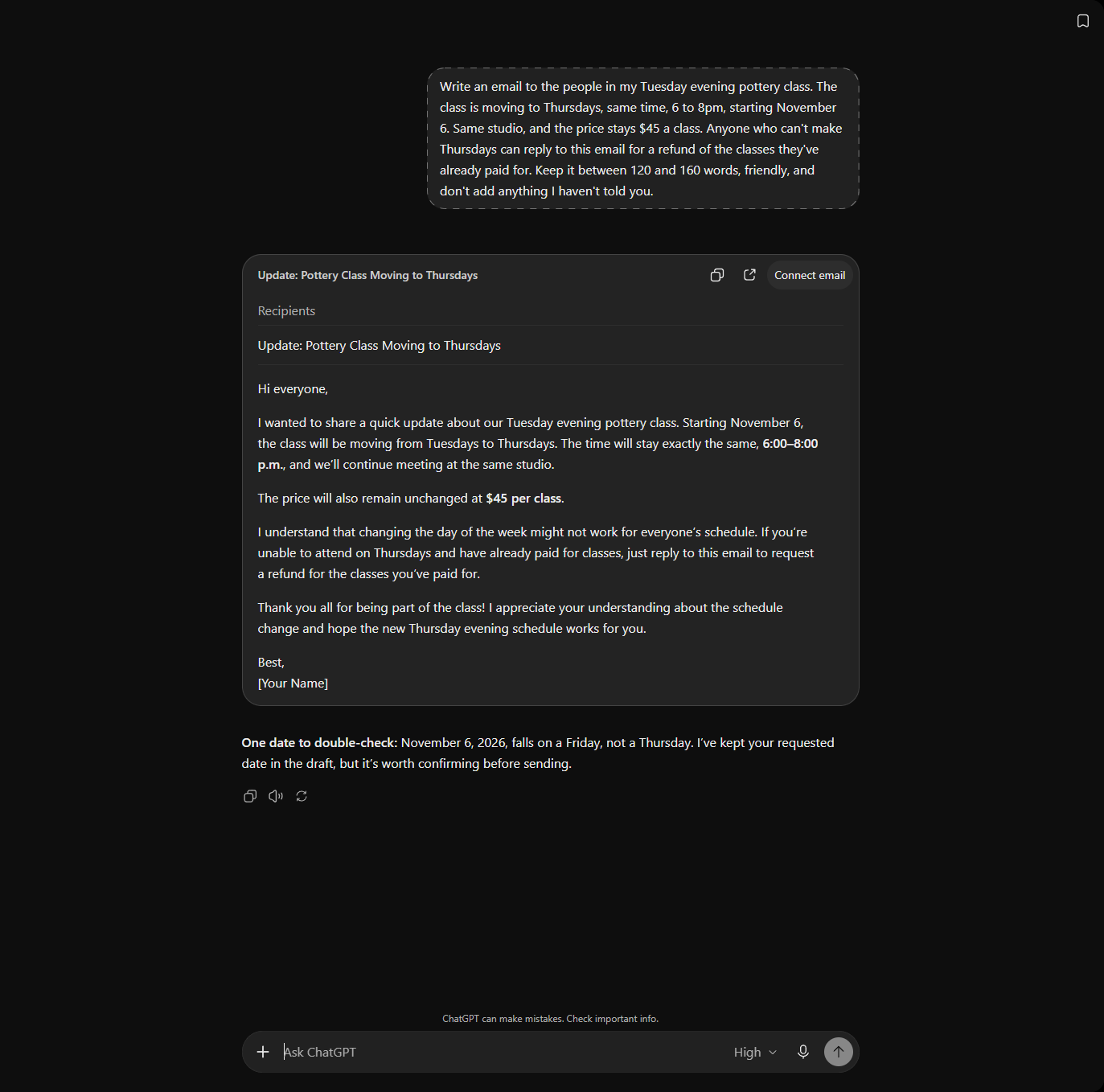
Our prompt asked for an email moving a pottery class from Tuesdays to Thursdays, 6 to 8pm, “starting November 6”. November 6, 2026 is a Friday. We made that mistake by accident, found it when ChatGPT pointed it out, and left the prompt as it was so Claude got the same words.
ChatGPT wrote the email with November 6 and added a note under it: “November 6, 2026, falls on a Friday, not a Thursday. I’ve kept your requested date in the draft, but it’s worth confirming before sending.”
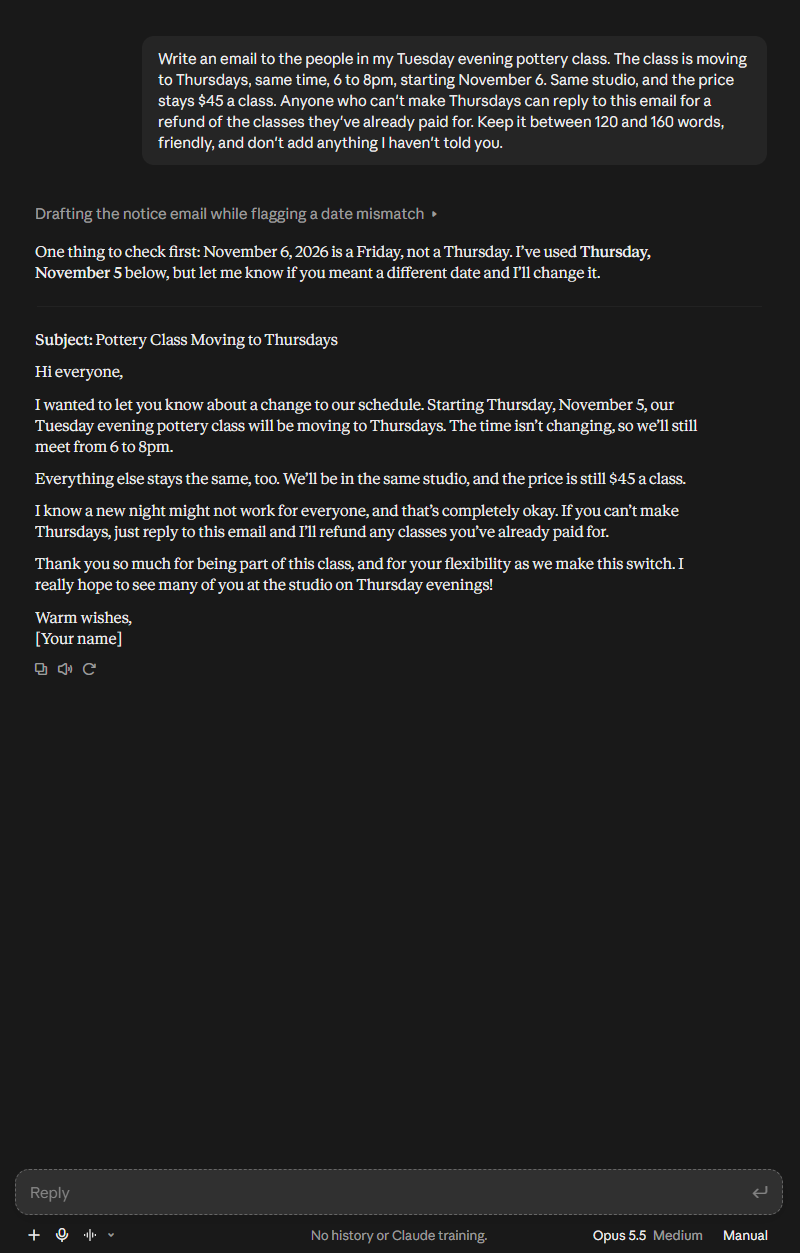
Claude changed the email to “Thursday, November 5” and said so above it: “I’ve used Thursday, November 5 below, but let me know if you meant a different date”. That one choice failed two checks: the email gave a start date other than ours, and it held a date we never gave. We scored it as the checks were written, so it counts twice.
Our follow-up was “When I tried it, the email said the class starts Thursday, November 5, but I said November 6. Can you fix it?” Claude explained why it had changed the date, then gave one replacement sentence and “The rest of the email stays the same.” We pasted that sentence into the email ourselves and scored the result. It passed all five checks at 128 words. It now says “Thursday, November 6”, a weekday and date that don’t match in 2026. None of our checks tested whether a weekday matches its date.
Both reading logs worked, and only ChatGPT showed one in the chat first
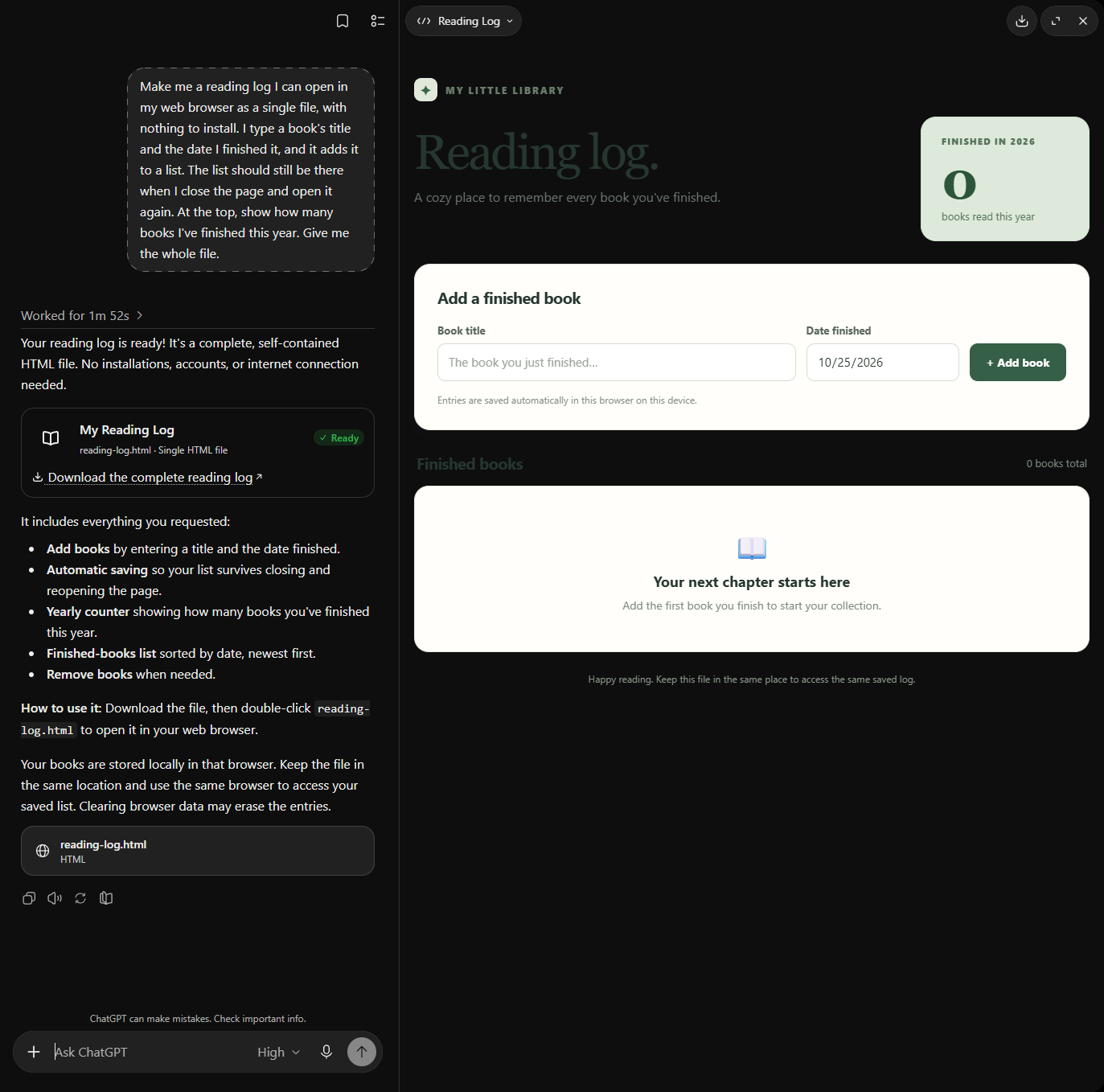
We asked for a reading log in one file that counts the books finished this year and remembers them after a reload. We opened each app’s file in a test browser with its clock set to October 25, 2026. We added a book finished this year and one finished last year, then reloaded. Both logs passed: no errors, a count of 1, and both books still listed after the reload.
The fifth check, written before the runs, was a working preview inside the chat. Our prompt did not ask for one. ChatGPT gave a download link and opened the page in a preview panel beside the chat.
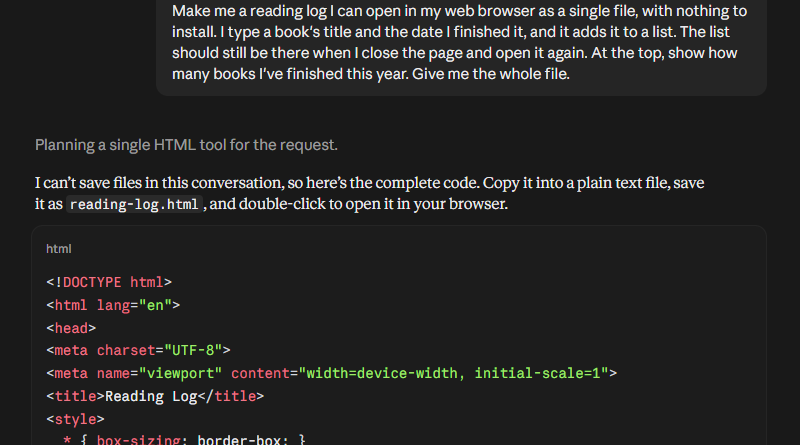
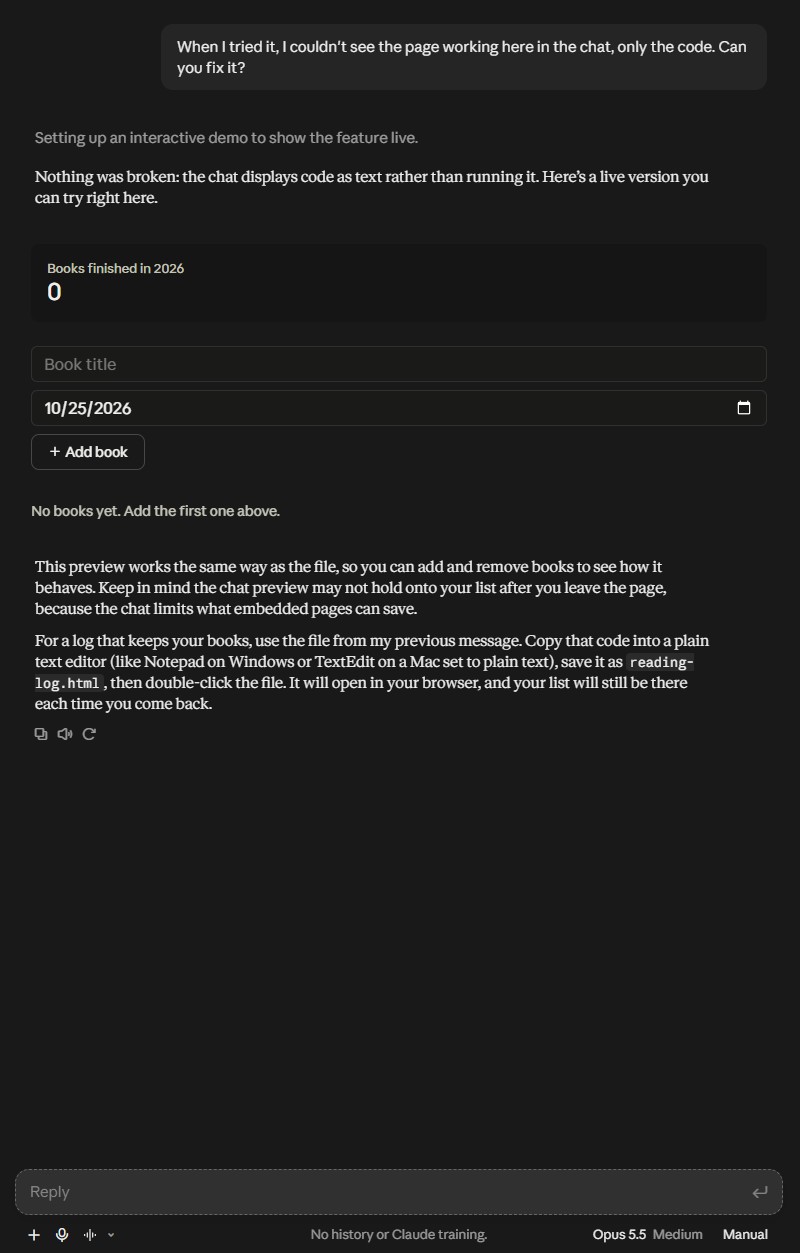
Claude’s first answer began “I can’t save files in this conversation, so here’s the complete code.” It told us to copy the code into a plain text file, save it as reading-log.html and double-click it. It also added a small button to delete an entry, which we hadn’t asked for.
When we said we couldn’t see the page working in the chat, Claude answered: “Nothing was broken: the chat displays code as text rather than running it. Here’s a live version you can try right here.” It then showed one, with a warning that “the chat preview may not hold onto your list after you leave the page”. We looked at both previews and did not add books inside either one.
Both weekly reports were right on a week neither app had seen
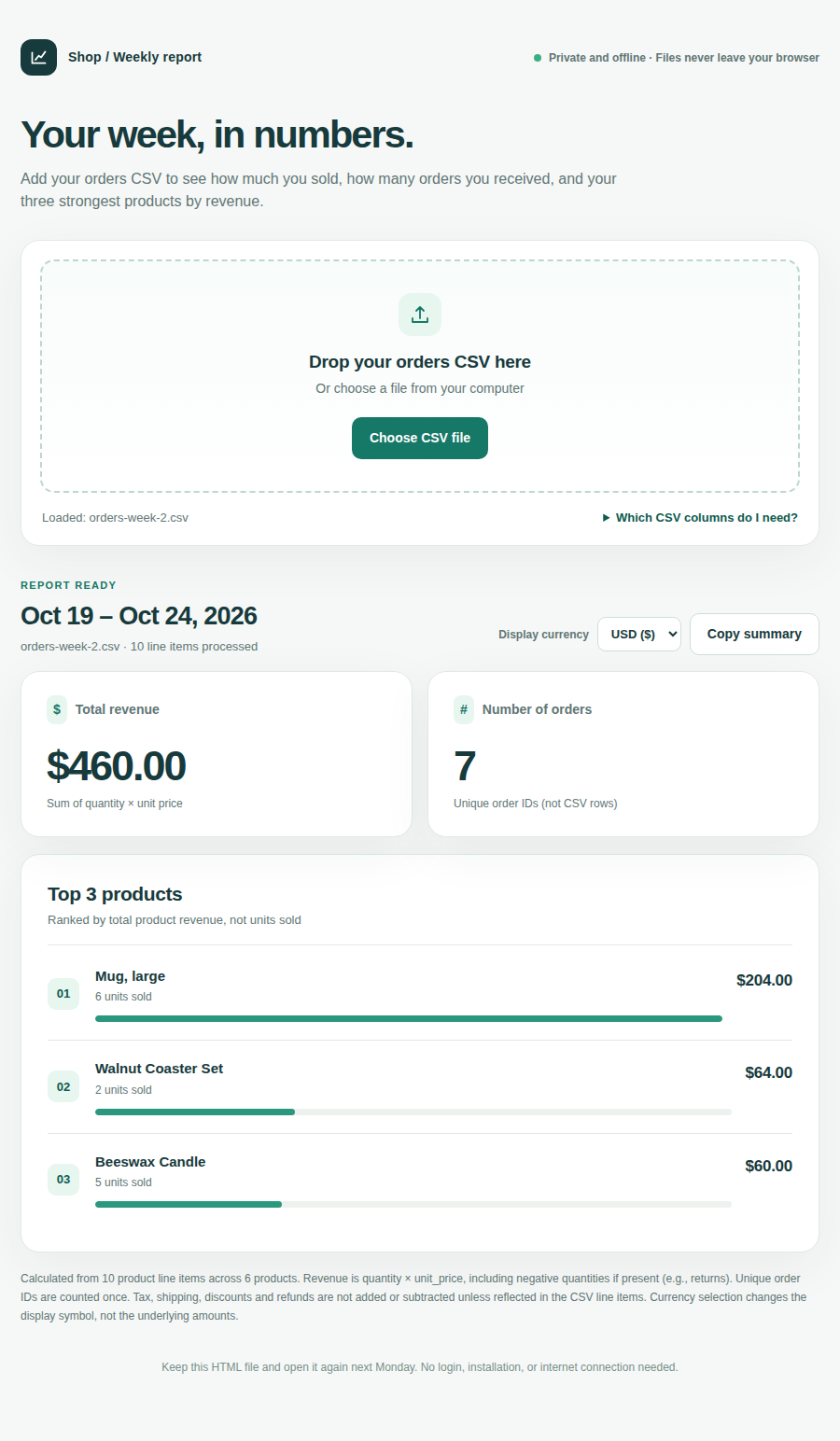
We attached one week of a small shop’s orders, 13 rows, and asked for a page in one file that shows the week’s revenue, order count and top three products. Both pages got all three right for that week: $603.00 in revenue, 9 orders, and the same top three in the same order.
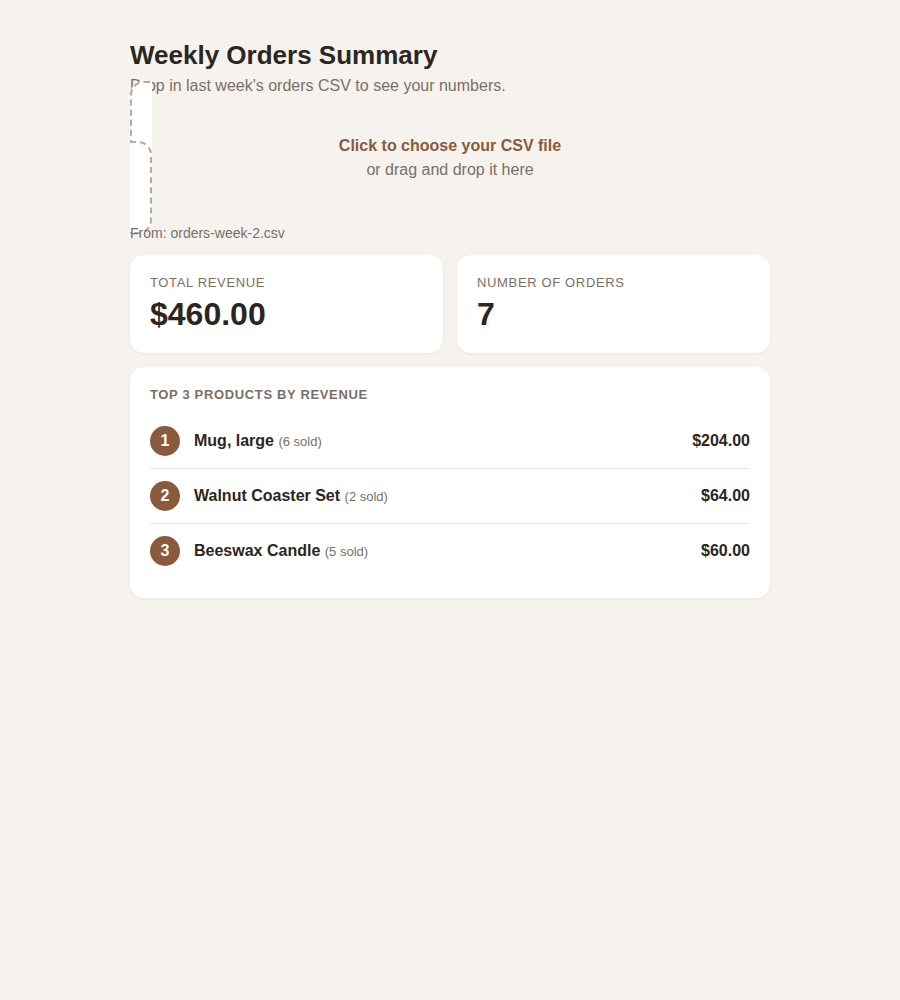
Then we loaded a second week’s file that neither app saw, with a comma inside one product name, “Mug, large”. Both pages got all three right again: $460.00, 7 orders, and the right top three.
Both pages also showed how many of each top product sold, which we hadn’t asked for. Those counts were right. ChatGPT’s page added more: a currency picker, the week’s dates and a “Copy summary” button.
Claude’s page came as code to copy. In our test browser, its file-drop box drew as a broken strip at the left edge, before and after a file loaded. We noticed that after scoring, and it was not one of our checks. Our test loaded each file directly, so we did not try clicking or dragging onto either page’s box.
Both picked the cheapest quote, then made a case for one $50 more
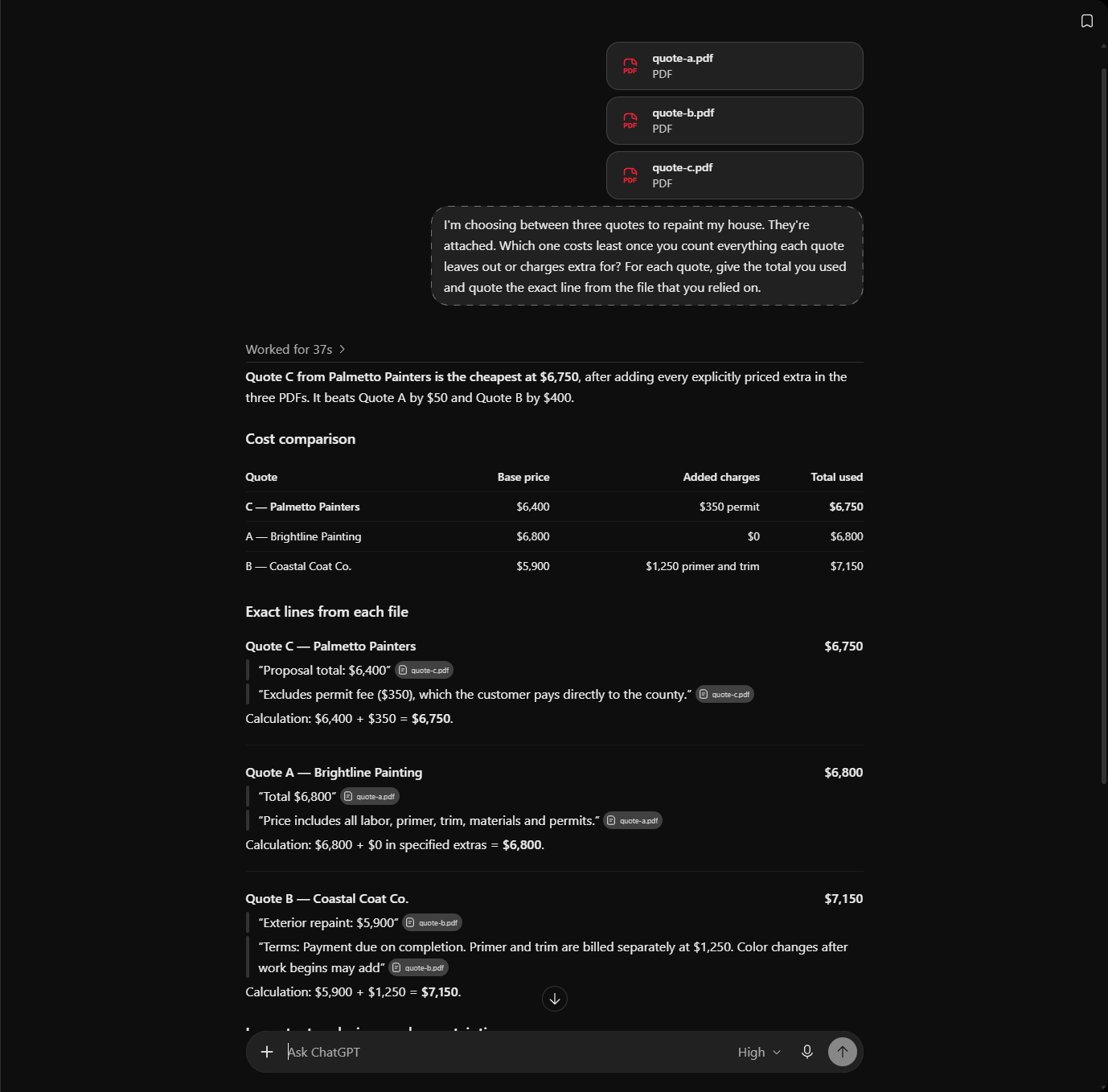
We attached three house-painting quotes as PDFs and asked which is cheapest once every extra is added, with a quoted line from each. Two quotes leave costs out of their main price: Coastal Coat Co. bills primer and trim separately at $1,250, and Palmetto Painters excludes a $350 permit fee. Both apps added the extras, named Palmetto cheapest at $6,750 all-in, and quoted each file word for word. Two of Claude’s eight quoted lines ended in a comma where the file has a full stop. Our check asked for the same words, so they pass.
Both then made a case for Brightline Painting, at $6,800, for $50 more. ChatGPT pointed to its three-year guarantee against Palmetto’s two-year labor warranty. Claude said: “For $50 more, Brightline gives you an extra year of coverage and a price with no add-ons.” Both also said Coastal’s quote doesn’t say whether permits, pressure washing, scraping, doors and shutters are included.
How we kept the test to what $20 buys
We ran everything on our own paid accounts: ChatGPT Pro and Claude Max 20x, $200 a month each. Each company’s pricing page lists that plan as everything in its $20 plan and more. Every run used a model the $20 plans include:
- ChatGPT: GPT-6 at the High thinking level. ChatGPT’s Thinking slider has five levels: Instant, Medium, High, Extra High and Pro. OpenAI describes Instant as “Fast responses for everyday questions” and High as “Extended thinking”. OpenAI’s model help page lists Medium and High as included in Plus, and Extra High and Pro as not included, so High is the most a Plus subscriber can pick. Our account started at Pro, and we moved it down to High.
- Claude: Opus 5.5, which Claude’s picker describes as “For complex work and everyday tasks”, at Medium effort. The picker’s effort setting runs from Low to Max, and Medium is the default, marked “Recommended”. Anthropic’s pricing table lists Opus as included in Pro. The pricing page we read does not say which effort levels each plan gets, and we did not check a Pro account, so we left Claude at its default.
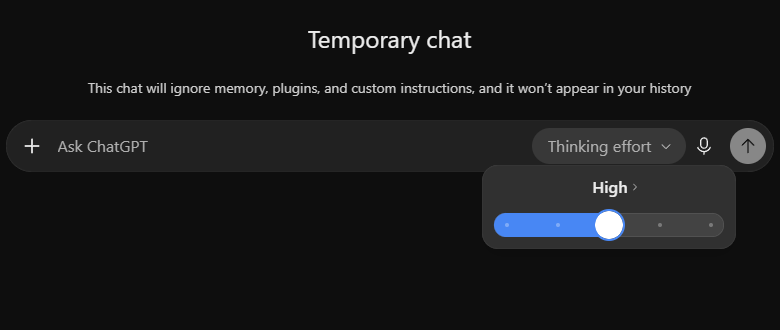
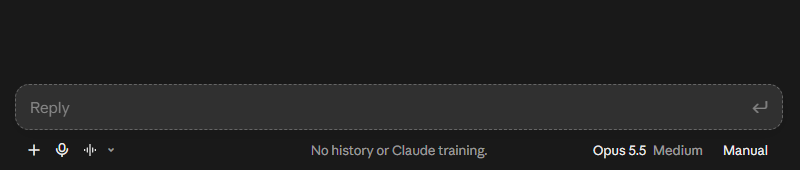
We set both apps not to use our saved memory. ChatGPT ran in a Temporary chat set to Unpersonalized, which “will ignore memory, plugins, and custom instructions”. Claude ran in an incognito chat, which Anthropic says “won’t use Claude’s existing memory”. The same page says Claude can still read profile information, such as custom styles and personal preferences, in an incognito chat. We cleared our profile preferences before the first Claude run and restored them after the last. We did not check custom styles. We used no Projects or scheduled tasks in either app, though both $20 plans list Projects and a way to schedule tasks.
Is ChatGPT Plus worth it on its own?
For jobs like these four, the thinking level Plus includes was enough on our $200 Pro account. At High, the top level OpenAI lists for Plus, ChatGPT passed every check on its first answers. We did not run a Plus account. Plus also lists Projects, scheduled tasks and custom GPTs, which free ChatGPT doesn’t have. We did not test them.
What we can’t tell you is how far $20 goes. OpenAI publishes no message count for Plus, only “Limits apply”. None of ChatGPT’s replies on our $200 account mentioned a limit, and that account can’t show when a $20 one would stop.
Is Claude Pro worth it on its own?
For jobs like these four, the model Pro includes was enough on our $200 Max account. Opus 5.5 at its default Medium effort finished all four jobs, two of them after one follow-up each. We did not run a Pro account. Pro also lists Claude Code, which free Claude doesn’t have. We did not test it.
Anthropic publishes no fixed message count for Pro either. A $200 account can’t show when a $20 one would stop.
What do you lose on the free plan?
You lose the model and thinking levels we tested. ChatGPT Free doesn’t include the Medium or High thinking levels, and Claude Free has no Opus, so these results don’t tell you how the free plans would do.
- ChatGPT Free has unlimited everyday text chats. Its pricing page also gives Free “Limited messages with uploads”, and two of our four jobs started with an uploaded file. Projects, scheduled tasks and custom GPTs start at Plus.
- Claude Free has no Claude Code either, according to Anthropic’s pricing table. It does make artifacts, the side panel where Claude shows a page it built, and it creates files with code. Anthropic says Pro gives “at least 5x more usage per 5-hour session than Free”.
Neither company says how many messages $20 buys
We read ChatGPT’s pricing page, OpenAI’s model help page and Claude’s pricing page on October 25, 2026.
| ChatGPT Plus | Claude Pro | |
|---|---|---|
| Monthly price | $20 | $20, or about $17 a month billed yearly ($200 up front) |
| Message count published | No: “Limits apply” | No: “there’s no fixed message count” |
| How the limit works | “Thinking limits depend on your plan.” If you reach a Thinking limit, “ChatGPT may continue with another available model.” | A rolling five-hour window, plus weekly limits on paid plans |
| Coding tool | Codex: “Expanded Codex usage” | Claude Code |
| The model we used | GPT-6, High thinking | Opus 5.5, Medium effort (the default) |
Claude’s limit also covers Claude Code. Anthropic says Claude Code “shares the same usage limits as the rest of your plan, so your work in the terminal and your chats draw from one pool.”
Can you use both?
Yes. They are separate subscriptions, $40 a month together. Every prompt and file in this test worked unchanged in both apps, so trying a job in the other app took no rewriting. Either app finished all four jobs on its own, so we never needed both. Both $20 plans also include a coding tool, Codex with ChatGPT Plus and Claude Code with Claude Pro, which we did not test here.
Run our four prompts on your own plan
Each prompt went in word for word. The weekly-report prompt had the first week’s orders file attached, and the painting prompt had the three quote PDFs. Swap in your own job and files.
The class email:
Write an email to the people in my Tuesday evening pottery class. The class is moving to Thursdays, same time, 6 to 8pm, starting November 6. Same studio, and the price stays $45 a class. Anyone who can't make Thursdays can reply to this email for a refund of the classes they've already paid for. Keep it between 120 and 160 words, friendly, and don't add anything I haven't told you.The reading log:
Make me a reading log I can open in my web browser as a single file, with nothing to install. I type a book's title and the date I finished it, and it adds it to a list. The list should still be there when I close the page and open it again. At the top, show how many books I've finished this year. Give me the whole file.The weekly report:
Every Monday I download last week's orders from my online shop as a CSV file. This week's is attached. Make me something I can reuse every week: I give it the file and it tells me total revenue, the number of orders, and my 3 best-selling products by revenue. I don't code and I don't want to install anything, so make it a single file I open in my web browser. Give me the whole file.The painting quotes:
I'm choosing between three quotes to repaint my house. They're attached. Which one costs least once you count everything each quote leaves out or charges extra for? For each quote, give the total you used and quote the exact line from the file that you relied on.What this doesn’t show
- Claude ran in incognito, which can’t create files on Anthropic’s new Claude experience. For Claude, keeping our saved memory out meant incognito chats, which Anthropic says “can’t create files or run code” if you have its new Claude experience. We did not check which experience our account had. Claude’s two code-to-copy answers came in those chats, though it could still show a preview there once asked. Anthropic’s pricing table lists creating files with code for every plan, but we did not run a normal Claude chat, so we can’t say how it would have done. The same rule meant no Projects, memory or scheduled tasks in either app.
- One check asked for more than its prompt, and none checked weekdays. Our fifth reading-log check wanted a preview in the chat, which the prompt did not ask for, and it was Claude’s only miss on that job. No check tested whether a date’s weekday was right, so Claude’s repaired email passed with “Thursday, November 6”.
- Not the same effort level. ChatGPT ran at High, the highest level OpenAI lists for Plus. Claude ran at Medium, its default. The pricing page we read does not say which levels Pro includes, and we did not check a Pro account or try Claude at a higher level.
- One run per job, on four jobs we chose. Each app did each job once, and a second run could come out differently. We chose the jobs and checks ourselves, so this is not a standard test. A job that leans on images, voice or long research could rank the apps differently.
- Only the $200 plans. We used higher plans and kept to models the $20 plans include. We did not see how soon a $20 account hits its limit, and nothing here scores the free plans, which lack the models we used.
- No timing. We did not record how long Claude took on each job, so this post compares no speeds.
We write House Notes for House of Vibe, the StartupBros membership for building with AI. Our AI subscription value page tracks what captured subscription use would cost at API list prices. It does not count conversations in the chat apps, so none of this test is in it.